
Logistics & Supply Chain
The Warehouse Changes Hands. What Happens to Tomorrow’s Orders?
A newly published warehouse case study offers a useful logistics lesson: a successful handover must account for unfinished orders, stock status and the people responsible for the next action.
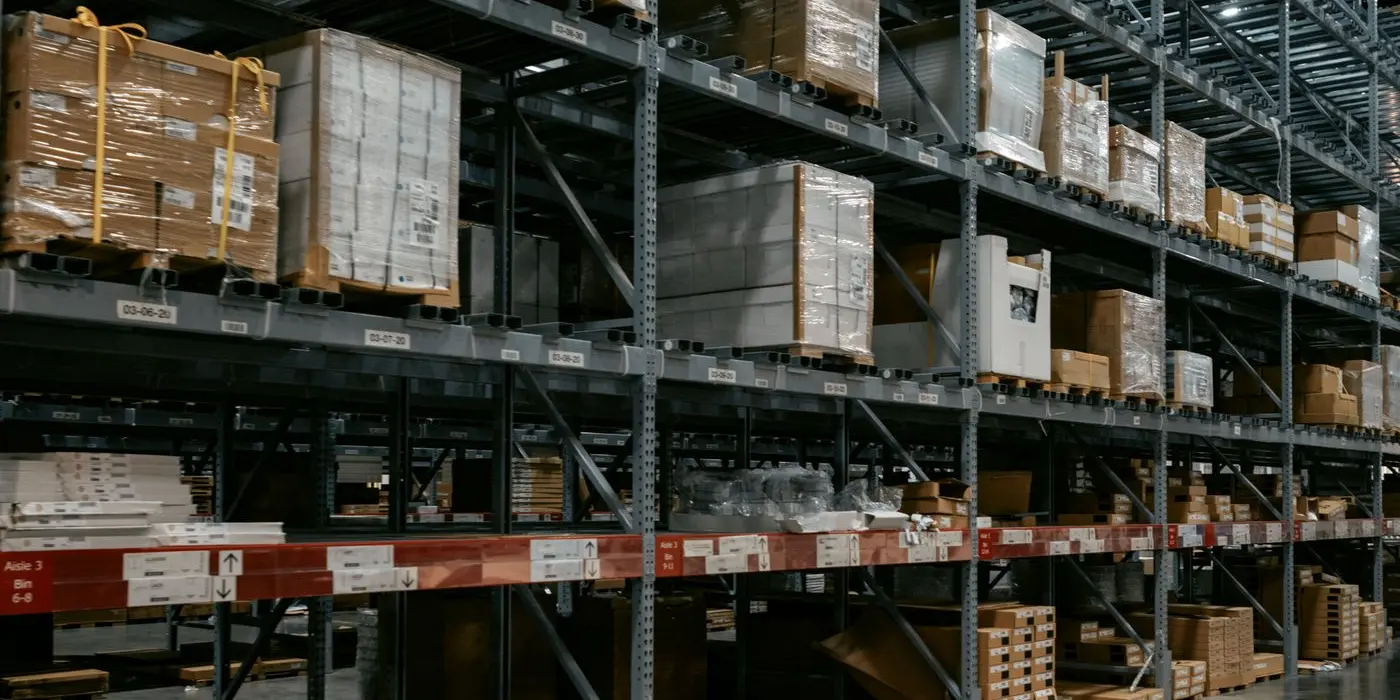
A warehouse can have its shelves labelled, its computers switched on and its new team ready—and still struggle to dispatch the next order.
The difficulty often lies in unfinished work. Which orders have already been picked? Which deliveries are expected? Which goods are waiting for inspection? Who knows why a particular carton must not be shipped?
When responsibility changes, that knowledge needs to travel with it.
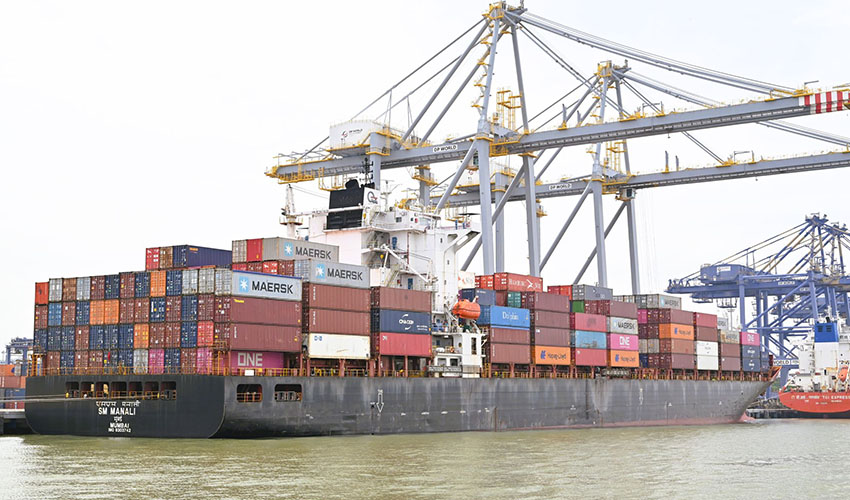
A Maersk case study published on 30 October 2026 describes its takeover of Ford Chile’s parts distribution centre in Pudahuel. According to the company, the operation went live on 2 March 2026. This is a newly published account of an earlier transition, rather than a warehouse opening last week. Maersk describes inventory stabilisation, staff preparation and service continuity as central to the handover. These are the provider’s reported outcomes. [1]
For a logistics student, the useful question is practical: how would you help another team take responsibility without losing track of tomorrow’s work?
Start with what is still unfinished
Consider this invented learning example.
A home-appliance distributor near Kochi is handing its warehouse operation to a new service provider. Deliveries to shops in Thrissur, Kottayam and other towns must continue.
On the handover evening, several orders are partly picked. A supplier’s vehicle is due the next morning. Two returned appliances are awaiting inspection, and one customer has requested a delivery-address change.
A list of products and quantities will not explain all this.
The trainee helping with the transition prepares an open-work register. Each entry records the order or delivery reference, present status, physical location, next action and responsible person. “Pending” becomes “Packed in dispatch bay B; address confirmation required before loading.”
That extra detail gives the incoming team something it can act on.
Agree when responsibility changes
A handover needs a clear point at which the incoming team takes responsibility.
In the classroom example, the two supervisors agree a cut-off time and record which transactions belong to the outgoing team. They also decide how to record movements that cannot wait until the handover is complete.
Without that agreement, a pallet received during the changeover could be entered twice—or missed because both teams assumed the other had recorded it.
The trainee does not decide the operational rules alone. Their contribution is to document the agreed procedure, identify unclear cases and make sure the right supervisor resolves them.
Keep identity, location and status connected
“Three pallets near the shutter” is a fragile instruction. The pallets could move, and another employee may use a different description for the same area.
Where GS1 identification is used, a Serial Shipping Container Code, or SSCC, identifies a logistics unit such as a pallet, case or parcel. It gives the team a reference for the particular unit being handled. [2]
For the fictional distributor, students can practise with clearly labelled classroom reference numbers. These are training identifiers, not genuine GS1 codes.
Record where each unit is and what may happen to it next. Returned goods awaiting inspection should remain distinguishable from goods approved for dispatch. Physical presence does not automatically mean an item is ready to sell.
Walk through an order before the first busy morning
A spreadsheet can look complete while the working process remains unclear.
For this exercise, ask the incoming team to follow one sample order from receipt to picking, checking, packing and dispatch confirmation. Can they find the right location? Do the product description and unit of measure make sense? Can they record completion and locate the supporting document?
Then introduce an exception: the item is damaged, the address changes or the order is cancelled after picking.
The aim is to discover unanswered questions while a supervisor is available to resolve them. A successful demonstration of an ordinary order is useful; knowing what to do when something changes is equally valuable.
Make the first review specific
After the handover, “everything is running smoothly” is difficult to assess.
In the fictional business, the supervisors could review orders due for dispatch, orders actually dispatched, cases awaiting a decision and any unexplained movements. Each unresolved item needs an owner and a next review time.
The trainee can help prepare that list and distinguish a confirmed problem from information still being checked. A short, accurate update is more useful than a long message saying everyone is following up.
Practise a handover someone else can use
Create a small classroom warehouse using labelled boxes and an order sheet. Include a part-picked order, an expected delivery and a return awaiting inspection.
Prepare the handover, then give it to a classmate without explaining it aloud. Ask them to identify the next three actions and who should authorise each one.
Their questions will show you what your record is missing.
Practical takeaway: A useful warehouse handover connects every unfinished task to a clear status, location, next action and responsible person.
To build an understanding of how warehousing connects with inventory, transport and customer service, explore Bayspro’s PG Diploma in Logistics & Supply Chain Management.
Sources & further reading
- Maersk — Ford Chile warehouse transition case study
Published 30 October 2026; reported go-live 2 March 2026. Provider-reported outcomes.
- GS1 — What is an SSCC?
Background on identifying logistics units; updated 28 August 2024, checked 4 November 2026.
Put your interest into practice
Explore a relevant programme.
PG Diploma in Logistics & Supply Chain ManagementHave questions? Talk to a programme adviser.