

Accounting & Taxation
Your GST Refund Has a Payment Order. Has the Money Reached the Bank?
A Kochi firm has ₹1,20,000 in GST refund orders and ₹72,000 in the bank. Follow the remaining claim from its reference number to the bank validation message.
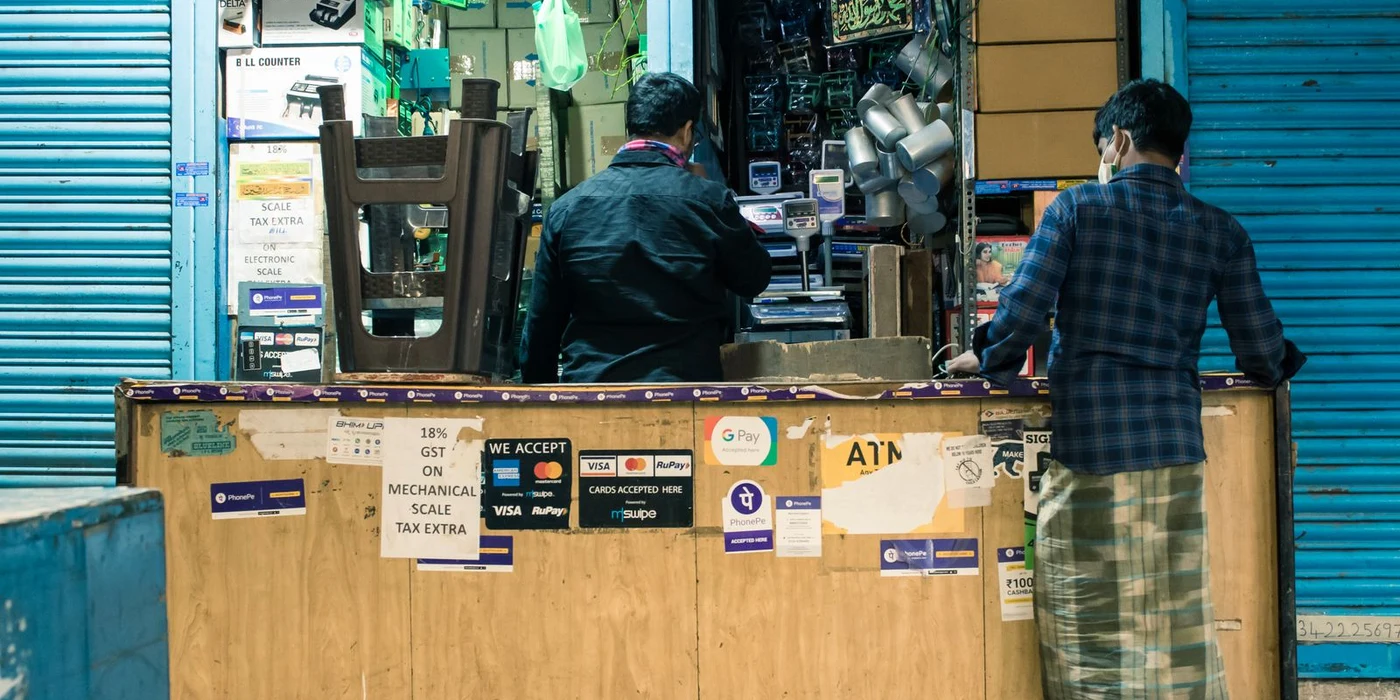
A GST refund payment order lands in the accounts inbox. The owner forwards it to the purchases team, which is waiting to release a supplier payment. Before anyone promises a transfer, someone needs to check one more place. The order shows what the tax officer has authorised. The bank statement shows how much money the business can use today.
India’s provisional GST figures for October 2026 put the distinction in perspective. Gross collections were ₹2,31,290 crore. Refunds totalled ₹27,934 crore, leaving net GST revenue of ₹2,03,356 crore. These are national figures as at 31 October. They explain the difference between gross and net receipts for the government. To find out what happened to an individual claim, an accounts executive needs its application reference and the records for that particular payment. [1]
Follow one application from filing to payment
Take a business that has submitted a refund application in Form GST RFD-01. The GST Portal’s tracking advisory describes two connected processes. A tax officer processes the application. The Public Financial Management System (PFMS) validates the bank account, first after filing and again after the officer issues the payment order in Form GST RFD-05. Successful validation of the account on the application clears one stage. Further payment processing and transmission to the bank follow validation of the account on the order. [2]
That sequence tells you where to look when a colleague asks for an update. On the GST Portal, open Services, then Refunds, then Track Application Status. Use the Application Reference Number (ARN) to pull up the claim. Read the latest action and its date. For the bank validation and disbursement stages, consult the PFMS status. Keep the ARN and the order reference together so that another person can pick up the file without guessing which payment you mean. [2]
Two claims and one deposit in Kochi
Suppose a Kochi business is following up two eligible GST refund claims. This is an invented example covering one review date. Assume each claim has been sanctioned in full, each has a payment order and there are no offsets, interest payments or other adjustments. The first order is for ₹72,000 and the second for ₹48,000. An accounts assistant sees a deposit of ₹72,000 in the bank statement. For the second order, the tracker shows a bank validation failure.
A quick spreadsheet total gives ₹1,20,000 in payment orders. The assistant checks the reference and date for the deposit against the first claim. The owner can now see three figures in the review note: ₹1,20,000 authorised, ₹72,000 received and ₹48,000 awaiting payment. The last amount is the difference between the first two. Adding it to the authorised total would count the second claim twice.
Why bother matching the reference when the amount looks right? Imagine that two unrelated deposits arrive for the same sum. Matching by amount alone could close the wrong claim and send a colleague chasing a payment already received. Where the bank narration is abbreviated, use the available payment advice or transaction reference to establish the link. Leave the entry open for investigation if the evidence is incomplete.
Give the unpaid claim an owner
For the second claim, read the validation error before deciding who should act. The GST helpdesk lists an incorrect or inactive IFSC among possible causes. Its guidance explains how to select another registered bank account or correct the registered details and update the account against the ARN. The tracking advisory distinguishes incorrect details from a technical file-exchange error, which the GST system handles for revalidation. The response depends on the message attached to this particular claim. [2] [3]
A useful handover note records the amount still due, the exact status, who will check the account details and when they will look again. Keep the payment order with that note. Once the bank credit arrives, enter the value date and transaction reference against the same claim. A colleague reviewing the file next month should be able to trace the deposit back to the order even if a different person handled each stage.
For a practical exercise, give a trainee the two orders and the single bank entry from the example. Ask for a one-line answer to the purchases team and a separate action for the tax desk. Purchases can plan around the confirmed ₹72,000 receipt. The tax desk can investigate the other claim using its ARN and the validation message. This case deals with tracking a payment under the RFD-01 process. Whether a business qualifies for a refund, and how it recognises any receivable in its books, require their own assessment.
Figures and portal guidance checked on 13 November 2026.
Sources & further reading
- GST Portal — October 2026 collections
Provisional national gross collections, refunds and net revenue, page 1.
- GST Portal — Tracking GST Refund Application Status
Sections 1–3 explain processing, account validation and tracking.
- GST Helpdesk — Failed Bank Account Validation
RFD-01 help, questions 1–4, on validation failures and updating account details.
Put your interest into practice
Explore a relevant programme.
Diploma in Practical Accounting & TaxationHave questions? Talk to a programme adviser.